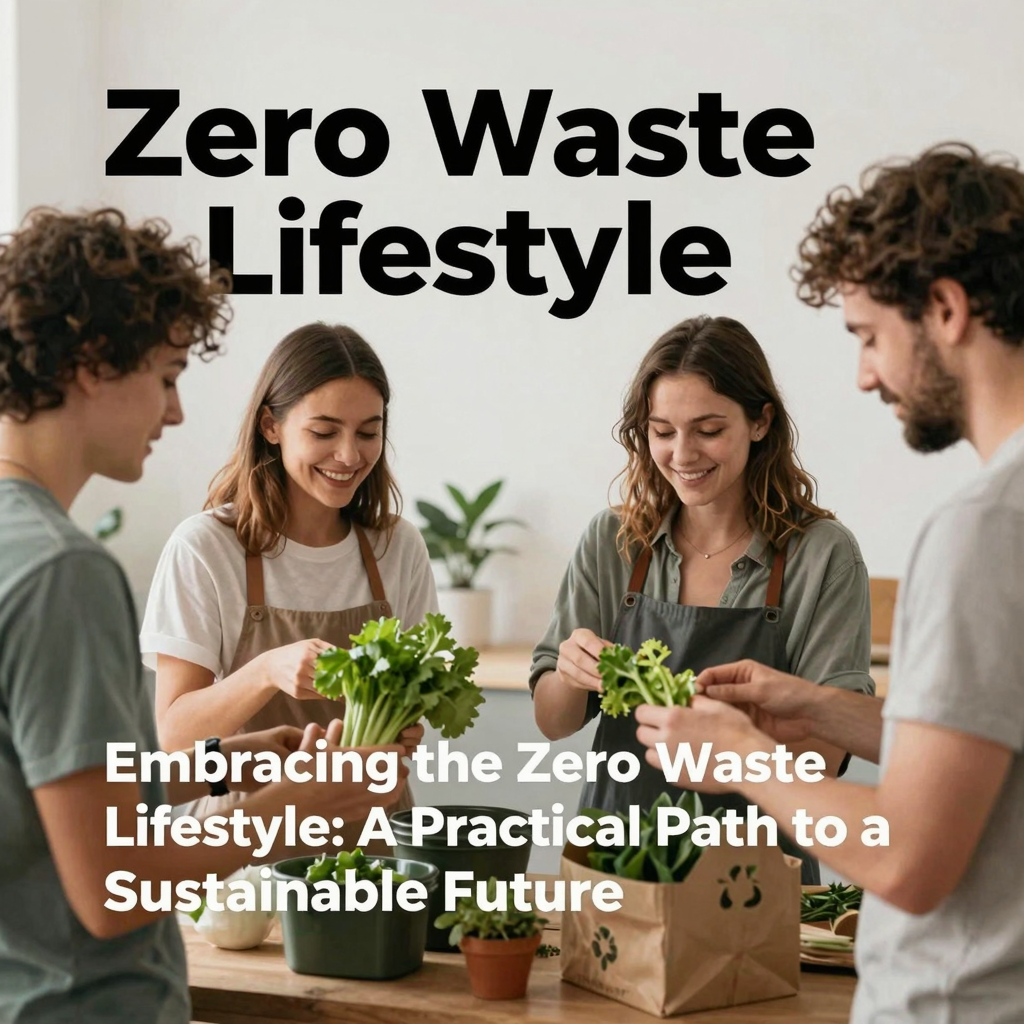
In a world increasingly defined by convenience and consumption, the mountains of waste we generate daily pose a stark environmental challenge. From overflowing landfills leaching toxins into soil and water, to the devastating impact of plastic pollution in our oceans harming marine life and entering our food chain, the consequences of our disposable culture are impossible to ignore. The concept of a “Zero Waste Lifestyle” has emerged not just as a niche trend, but as a vital philosophy and practical approach for individuals seeking to minimize their environmental footprint and live more consciously. It moves beyond mere recycling, advocating for a systemic shift in how we view resources, consumption, and waste itself.
At its heart, Zero Waste is about designing and managing products and processes to systematically avoid and eliminate the volume and toxicity of waste and materials. It emphasizes conserving all resources through responsible production, consumption, reuse, and recovery of products, packaging, and materials without burning them or polluting land, water, or air. For individuals, adopting this lifestyle means critically examining every aspect of daily life – from shopping habits and food choices to personal care routines and entertainment – and making intentional decisions to reduce waste at its source.
Understanding the Core Principles: Beyond Recycling
The journey towards Zero Waste is guided by a hierarchy of actions, often summarized by the “5 R’s,” ranked in order of priority:
- Refuse: This is the most powerful step. It involves saying no to items you don’t need in the first place. This includes refusing single-use plastics (straws, cutlery, bags), freebies, junk mail, promotional items, and anything that will quickly become clutter destined for the trash. By refusing, you prevent waste from entering your life altogether.
- Reduce: If you can’t refuse it, reduce your consumption. This means buying less overall, choosing items with minimal packaging, opting for durable goods over disposable ones, and being mindful of resource use (like water and energy). Downsizing possessions, focusing on experiences over things, and borrowing or sharing items fall under this principle.
- Reuse: Before anything gets thrown away or recycled, consider if it can be reused. This involves repairing broken items, using refillable containers (for water, coffee, cleaning products), choosing second-hand goods, repurposing items creatively (like glass jars for storage), and swapping disposable products for reusable alternatives (napkins, towels, menstrual cups, razors).
- Recycle: Recycling should be a last resort for items that couldn’t be refused, reduced, or reused. It requires proper sorting according to local guidelines. Importantly, recycling consumes energy and resources, and not all materials are easily recyclable. Relying solely on recycling isn’t the solution; it’s a step down the hierarchy.
- Rot: Composting organic waste (food scraps, yard trimmings, paper towels, etc.) completes the cycle by returning nutrients to the soil. This prevents valuable resources from ending up in landfills where they decompose anaerobically, releasing methane, a potent greenhouse gas. Home composting or utilizing municipal composting programs is key.
This hierarchy underscores that prevention (Refuse, Reduce, Reuse) is fundamentally more effective and efficient than managing waste after it’s created (Recycle, Rot). Zero Waste challenges the linear “take-make-dispose” model and promotes a circular economy mindset where resources are kept in use for as long as possible.
Practical Steps Towards Zero Waste Living
Transitioning to a Zero Waste lifestyle is a journey, not an overnight transformation. It’s about progress, not perfection. Starting small and focusing on one area at a time makes the process manageable and sustainable. Here’s how you can apply the principles in different facets of your life:
The Kitchen: Tackling Food Waste and Packaging
The kitchen is often a major source of waste, primarily food scraps and packaging.
- Meal Planning & Shopping: Plan your meals for the week. Create a detailed shopping list based on your plan and stick to it to avoid impulse buys that might spoil. Buy only what you need.
- Bulk Buying: Utilize bulk bins for staples like grains, legumes, nuts, seeds, spices, and even cleaning supplies. Bring your own reusable containers (jars, cloth bags) to the store. This drastically cuts down on packaging waste.
- Produce Choices: Choose loose fruits and vegetables instead of pre-packaged ones. Bring reusable produce bags.
- Storage Solutions: Use reusable containers (glass, stainless steel, silicone) instead of plastic wrap or aluminum foil. Beeswax wraps are a great alternative for covering bowls or wrapping food.
- Composting: Set up a composting system for food scraps (vegetable peels, coffee grounds, eggshells – avoid meat/dairy unless using a specialized system) and paper towels. This significantly reduces landfill-bound waste.
The Bathroom: Reducing Single-Use Plastics
Personal care routines often involve a plethora of plastic bottles and disposable items.
- Solid Alternatives: Switch to bar versions of shampoo, conditioner, soap, and even lotion. These eliminate plastic bottles and often last longer.
- Reusable Tools: Replace disposable razors with a safety razor, swap cotton balls/pads for reusable cloth rounds, and choose a bamboo toothbrush.
- Refill Stations: Seek out stores offering refills for liquid soaps, lotions, and cleaning products using your own containers.
- Natural Products: Consider making some products yourself, like toothpaste or cleaning sprays, using simple ingredients (baking soda, vinegar, essential oils) stored in reusable containers.
- Menstrual Products: Explore reusable options like menstrual cups, cloth pads, or period underwear, which generate far less waste than disposable tampons and pads.
Shopping & Consumption Habits
Changing how we acquire goods is fundamental to Zero Waste.
- Second-Hand First: Before buying new, check thrift stores, consignment shops, online marketplaces (eBay, Facebook Marketplace), or borrow from friends and libraries (for books, tools, specialty items). This extends the life of existing products.
- Quality Over Quantity: Invest in well-made, durable items that will last for years, even if they cost more upfront. Avoid cheap, disposable goods designed for obsolescence.
- Mindful Purchasing: Ask yourself: “Do I *really* need this?” before buying anything. Consider the item’s lifespan, repairability, and end-of-life disposal options.
- Bring Your Own: Make it a habit to carry reusable bags (for groceries and other purchases), a reusable water bottle, and a coffee cup wherever you go.
Fashion & Clothing
The fast fashion industry is a major polluter and waste generator.
- Wardrobe Audit: Assess what you already own. Build a capsule wardrobe with versatile, timeless pieces that mix and match well.
- Repair & Care: Mend torn clothing, replace buttons, and learn basic sewing skills. Properly caring for clothes (washing less frequently, air drying) extends their life.
- Swap or Rent: Organize clothing swaps with friends. Rent clothing for special occasions instead of buying new outfits that may only be worn once.
- Ethical & Sustainable Brands: If buying new, research brands committed to sustainable materials (organic cotton, linen, Tencel), ethical labor practices, and minimal packaging. Look for certifications like Fair Trade or GOTS (Global Organic Textile Standard).
Navigating Challenges and Embracing Imperfection
Adopting a Zero Waste lifestyle isn’t without its hurdles, and it’s crucial to approach it with patience and realism.
Common Challenges
- Convenience & Accessibility: Disposable items and heavily packaged goods are ubiquitous and convenient. Bulk stores or refill stations might not be readily available in all areas. Finding package-free alternatives for certain products can be difficult.
- Social Situations: Navigating social events, dining out, or traveling can be tricky when trying to avoid waste. Politely refusing single-use items or bringing your own containers requires confidence and sometimes explanation.
- Cost Considerations: While buying durable goods saves money long-term, the upfront cost can be higher than cheap disposable alternatives. Bulk buying requires initial investment in containers.
- Time Investment: Meal planning, finding package-free options, making DIY products, and composting require time and effort initially.
- Information Overload: Understanding local recycling rules, finding sustainable brands, and learning new skills can feel overwhelming.
Solutions and Mindset Shifts
- Start Small & Celebrate Progress: Don’t try to overhaul everything at once. Pick one area (like bringing reusable bags or switching to a bar soap) and master it before moving on. Celebrate each small victory.
- Focus on Refusal & Reduction First: Often the most impactful changes involve consuming less overall, which can also save money.
- Community & Resources: Connect with local Zero Waste groups, online communities, or blogs for support, tips, and shared resources. Libraries often have books on sustainability and DIY projects.
- Flexibility is Key: Aim for progress, not perfection. There will be times when you forget your reusable cup or need to buy something packaged. Don’t let setbacks derail you; just get back on track.
- Advocate & Educate: Politely explain your choices when appropriate. Support businesses offering sustainable options. Advocate for better recycling infrastructure and producer responsibility laws in your community.
The Bigger Picture: Why Zero Waste Matters
Embracing a Zero Waste lifestyle extends far beyond just managing your own trash bin. It contributes to a cascade of positive environmental and social impacts:
- Resource Conservation: Reducing consumption means less demand for raw materials (timber, oil, minerals, water), preserving natural resources and habitats.
- Reduced Pollution: Less waste in landfills means fewer toxins leaching into soil and groundwater. Reduced plastic production and litter means less pollution in oceans and landscapes, protecting wildlife and ecosystems.
- Lower Carbon Footprint: Manufacturing, transporting, and disposing of goods requires significant energy, often from fossil fuels. Reducing consumption and waste directly lowers greenhouse gas emissions. Composting organic waste avoids methane emissions from landfills.
- Economic Benefits: While some swaps have upfront costs, reducing consumption and choosing durable goods often saves money long-term. Zero Waste promotes a circular economy, creating jobs in repair, refurbishment, and recycling sectors.
- Community Resilience: Supporting local businesses, farmers’ markets, and repair shops strengthens local economies. Sharing resources and skills builds community connections.
- Personal Well-being: Living more intentionally often leads to greater appreciation for possessions, reduced clutter, and a sense of purpose and connection to the planet.
Conclusion: Every Step Counts
The path to a truly Zero Waste world is complex and requires systemic change at industrial and governmental levels. However, individual action is a powerful catalyst. By adopting the principles of Refuse, Reduce, Reuse, Recycle, and Rot in our daily lives, we actively reduce our environmental impact, conserve precious resources, and challenge the unsustainable status quo. We vote with our wallets, demonstrating demand for sustainable products and practices. We inspire others through our choices.
Remember, Zero Waste is a journey defined by mindful choices, continuous learning, and a commitment to doing better, not achieving immediate perfection. Every reusable bag used, every plastic item refused, every meal planned to avoid food waste, and every scrap composted contributes to a collective movement towards a cleaner, healthier, and more sustainable future. Start where you are, use what you have, and do what you can. Your journey towards Zero Waste matters.